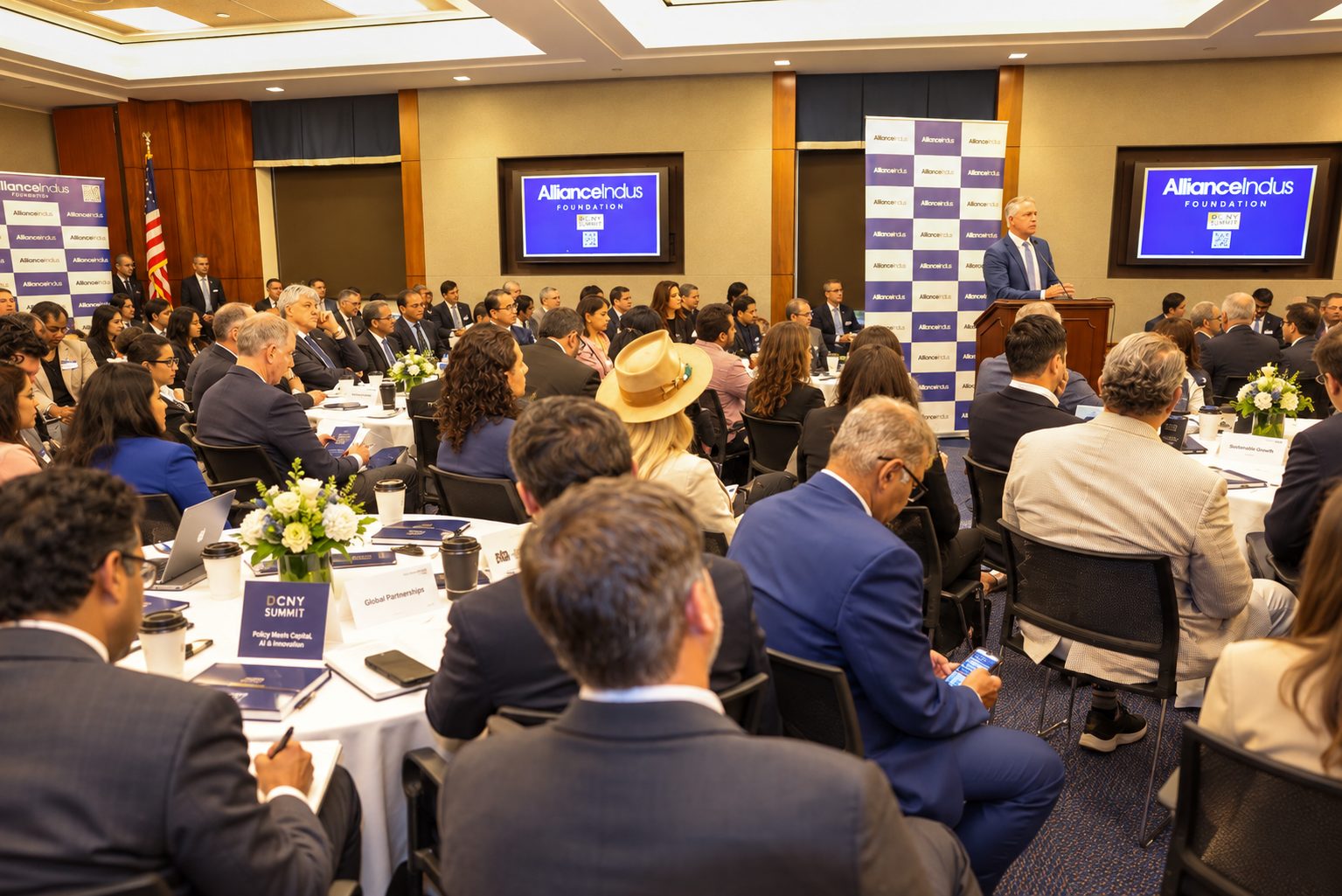
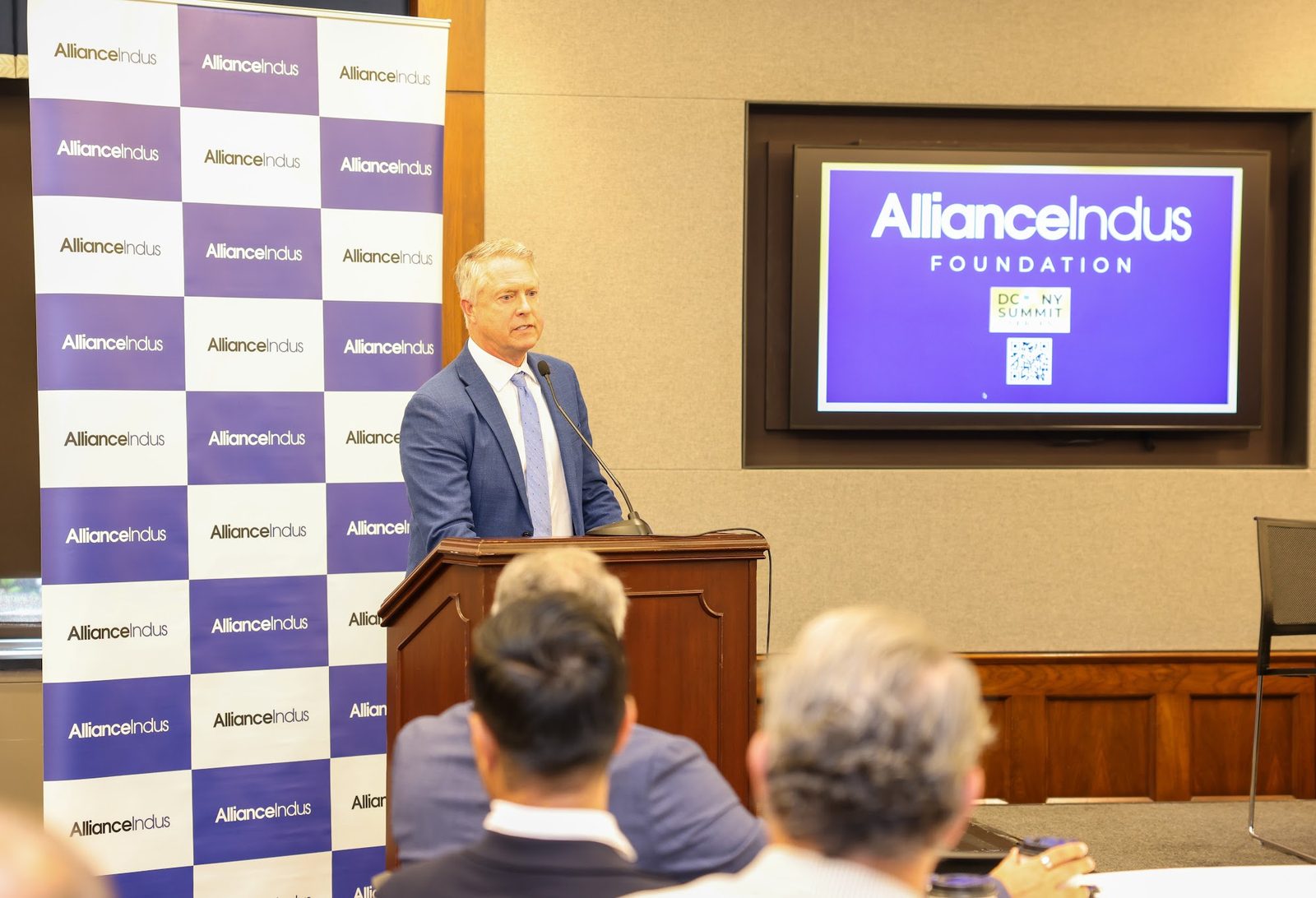
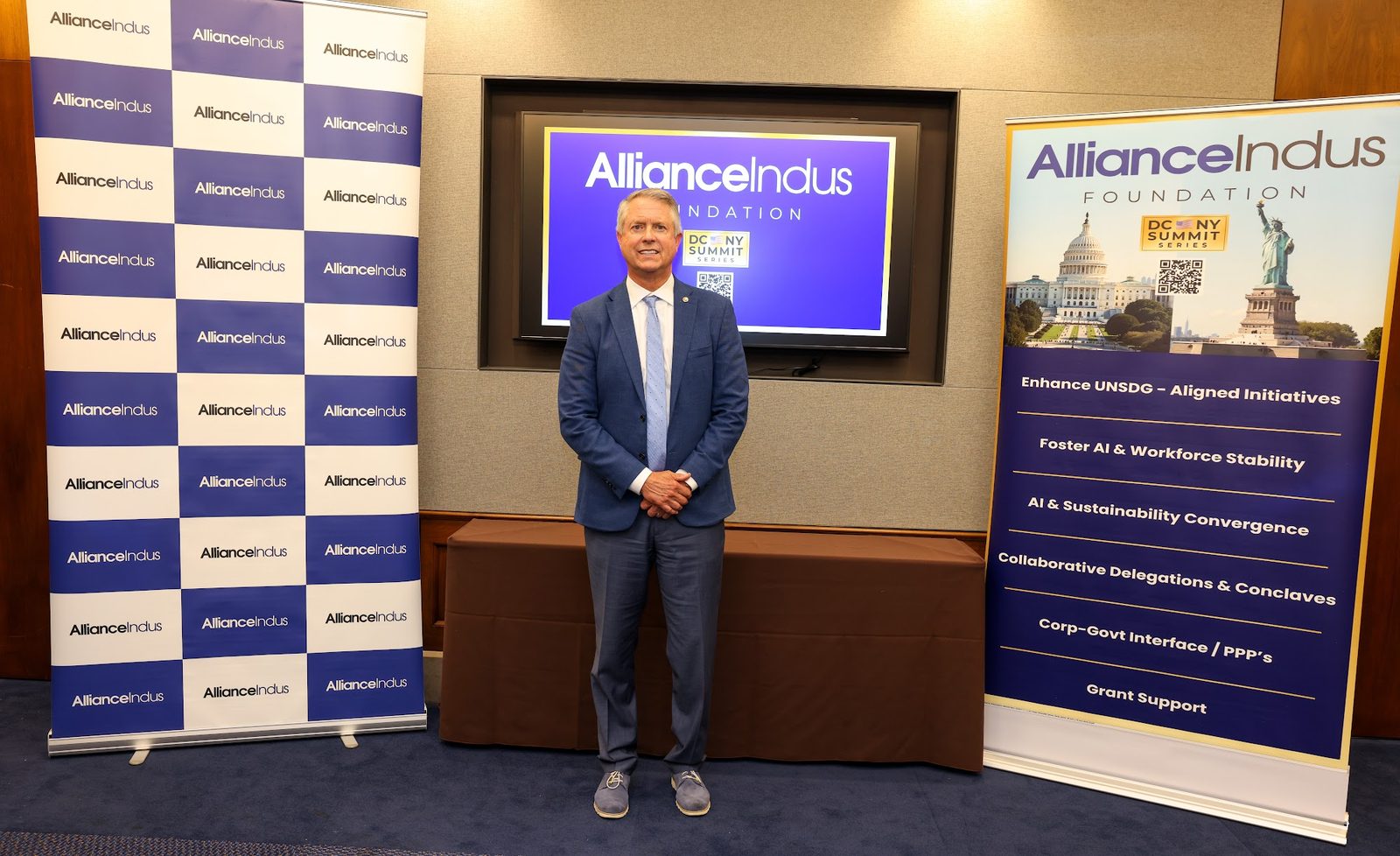
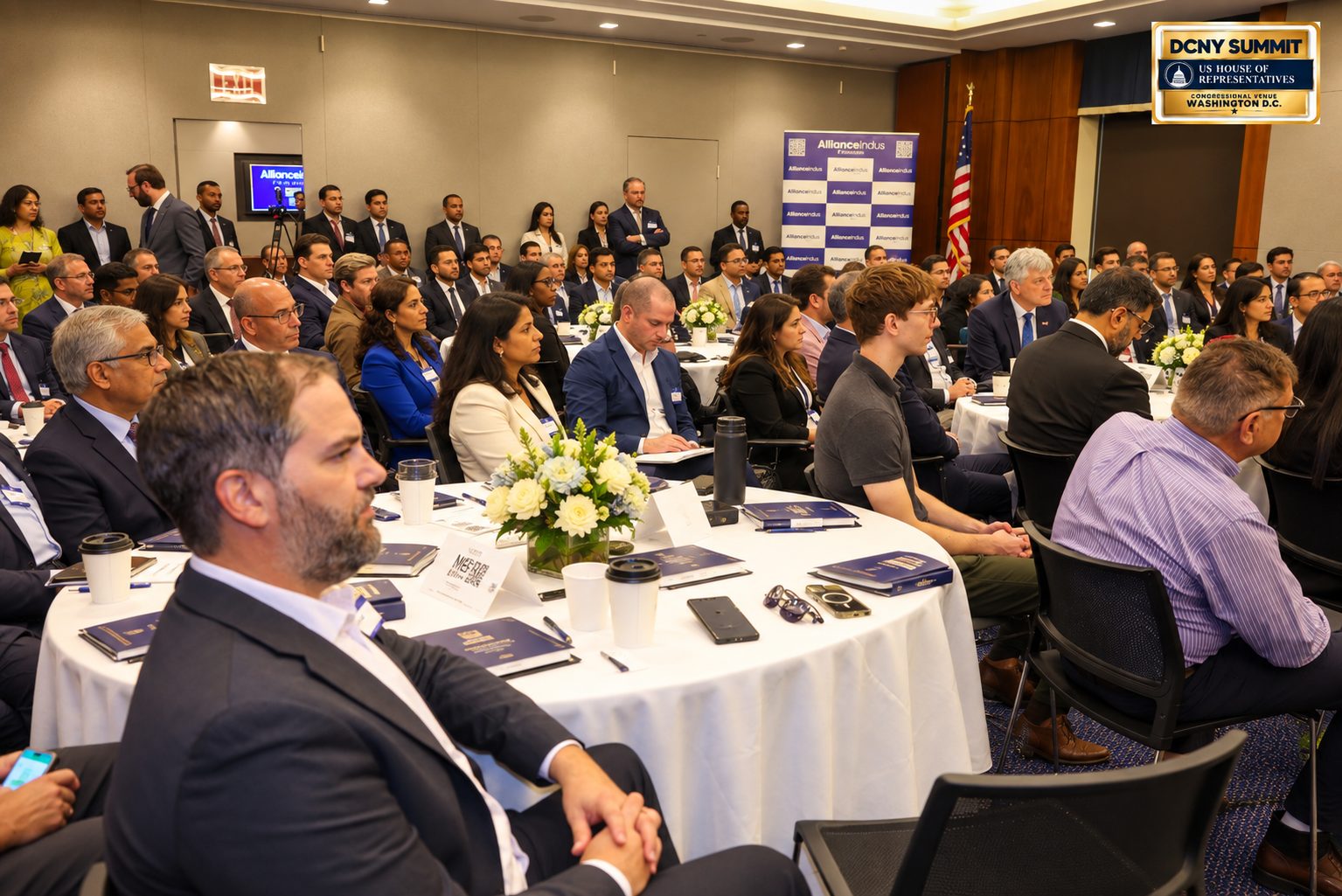
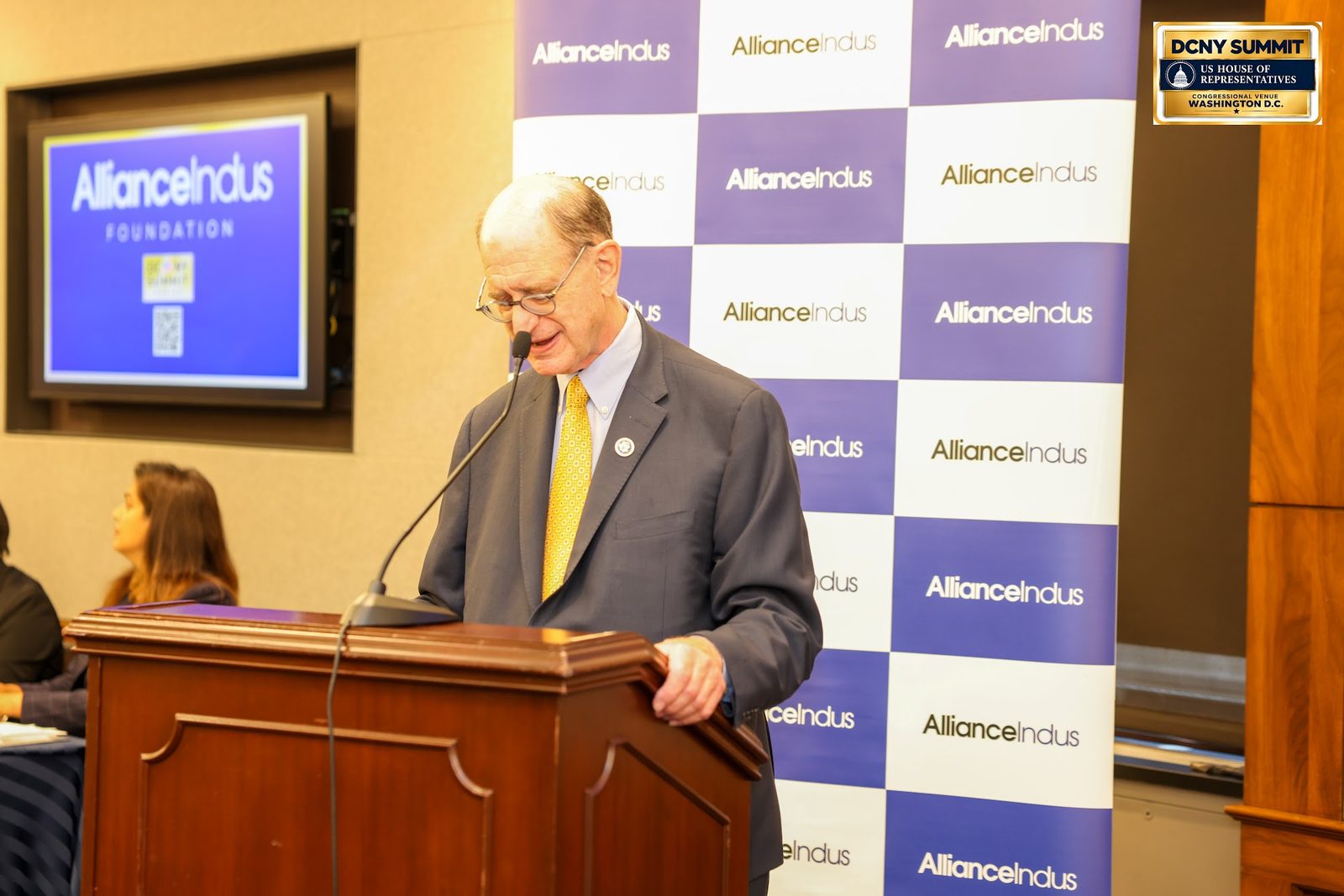
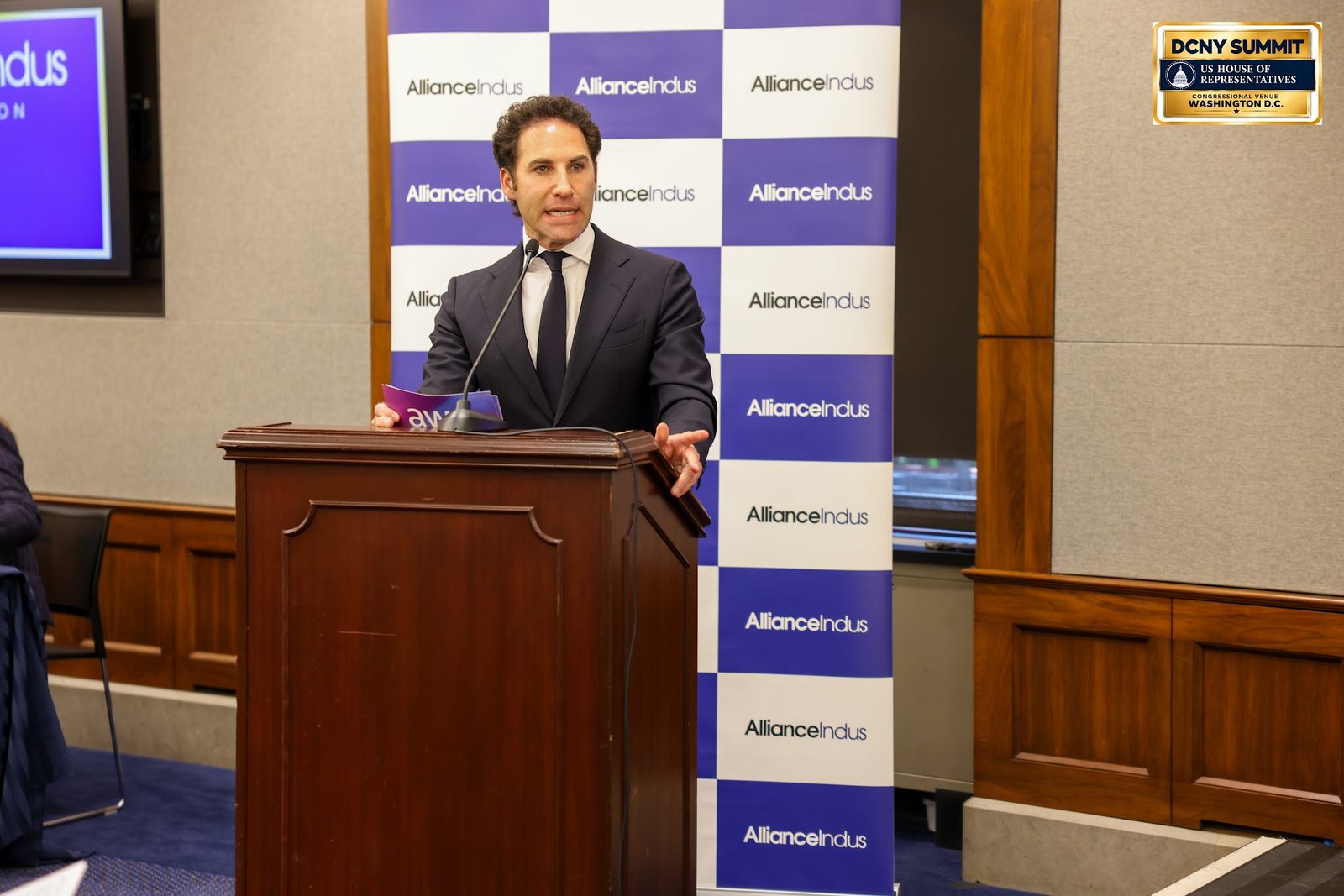
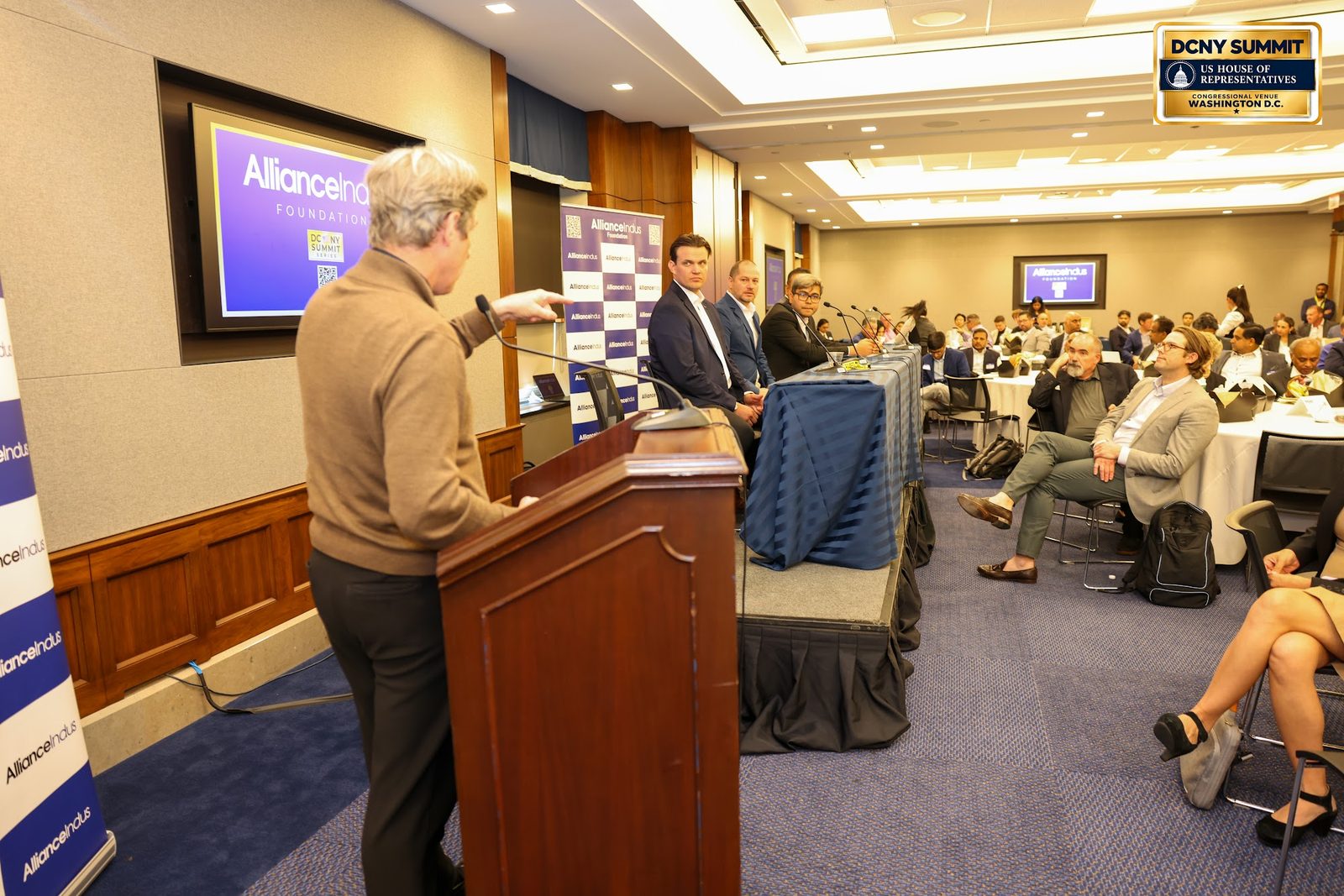
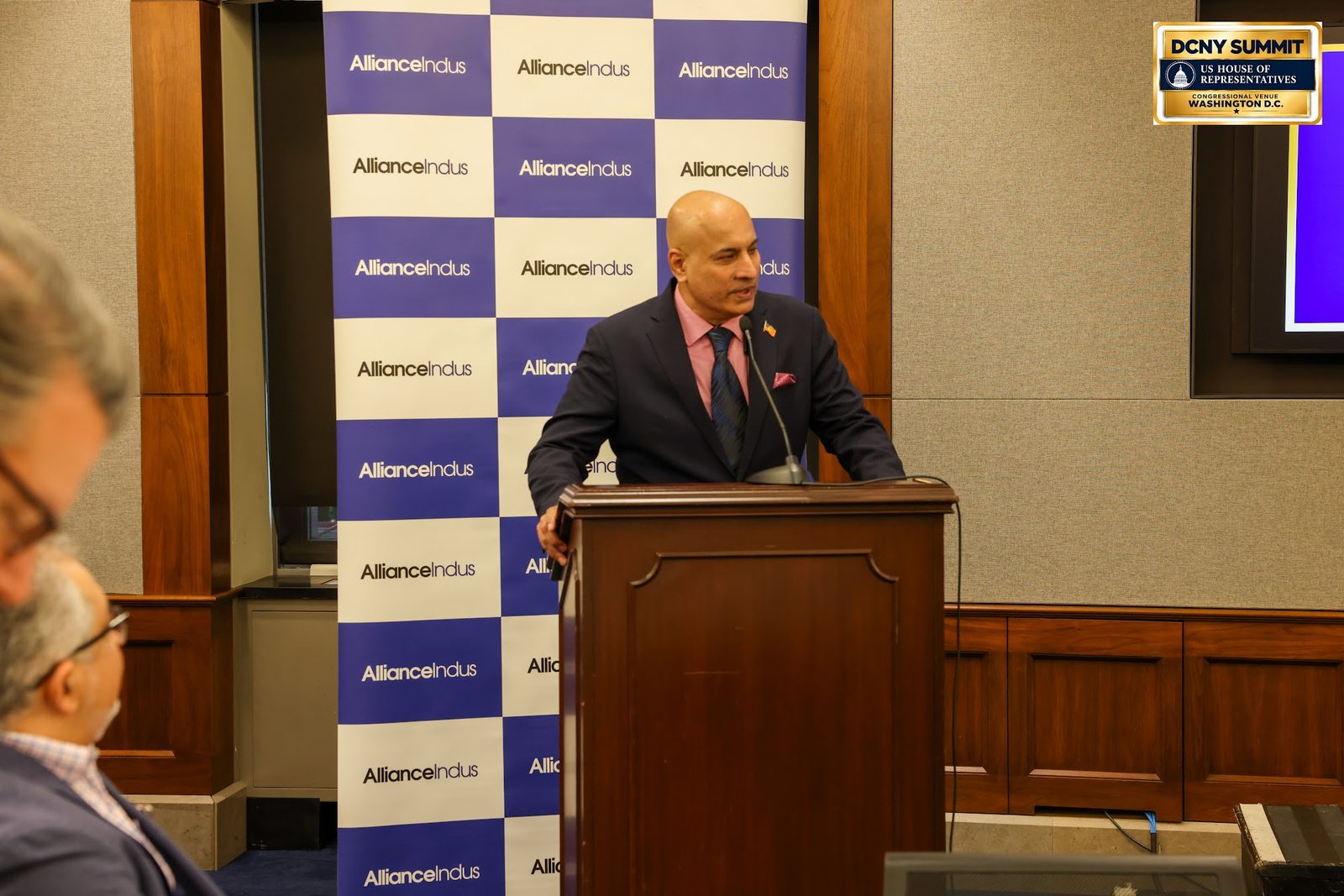
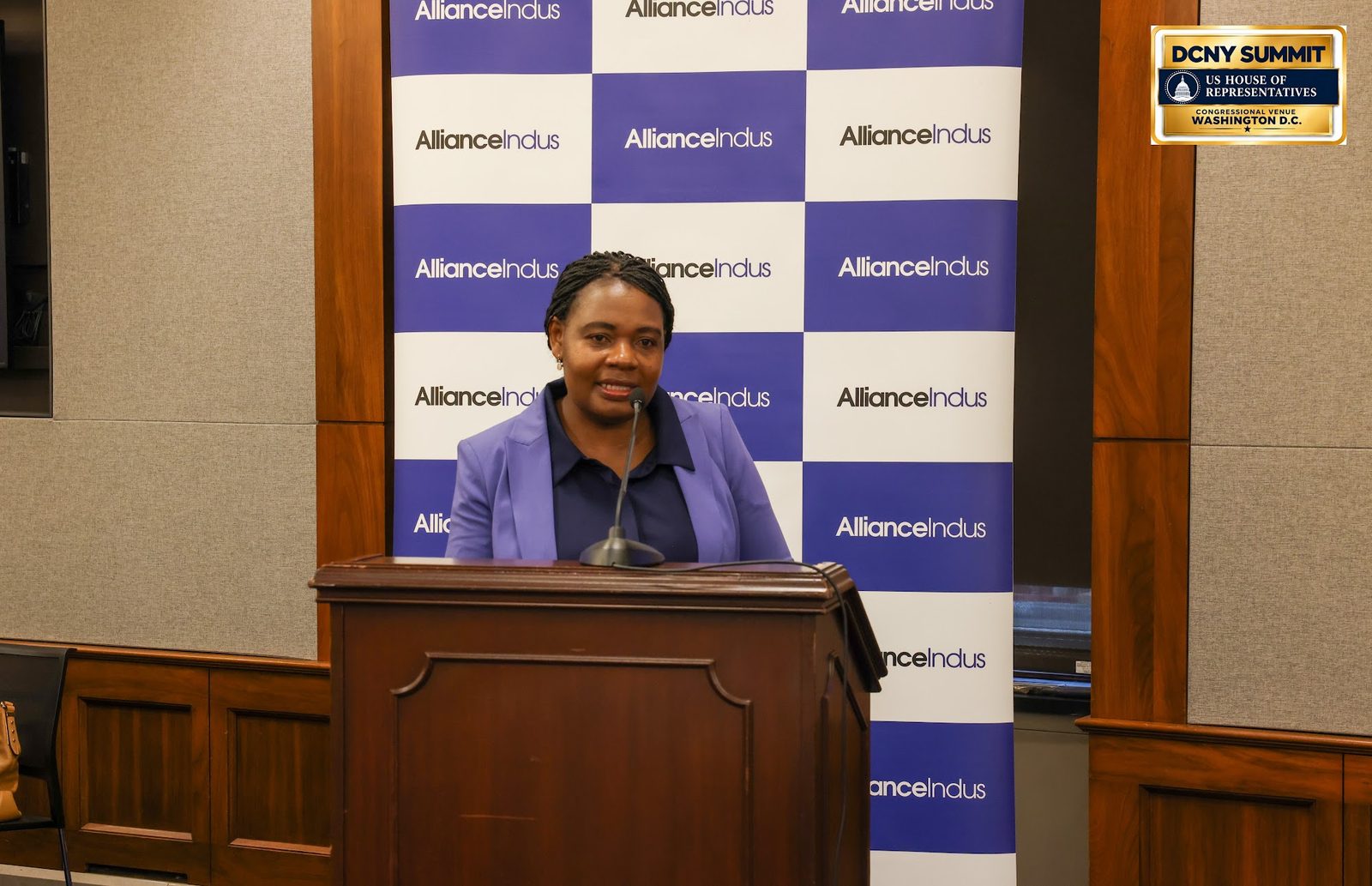
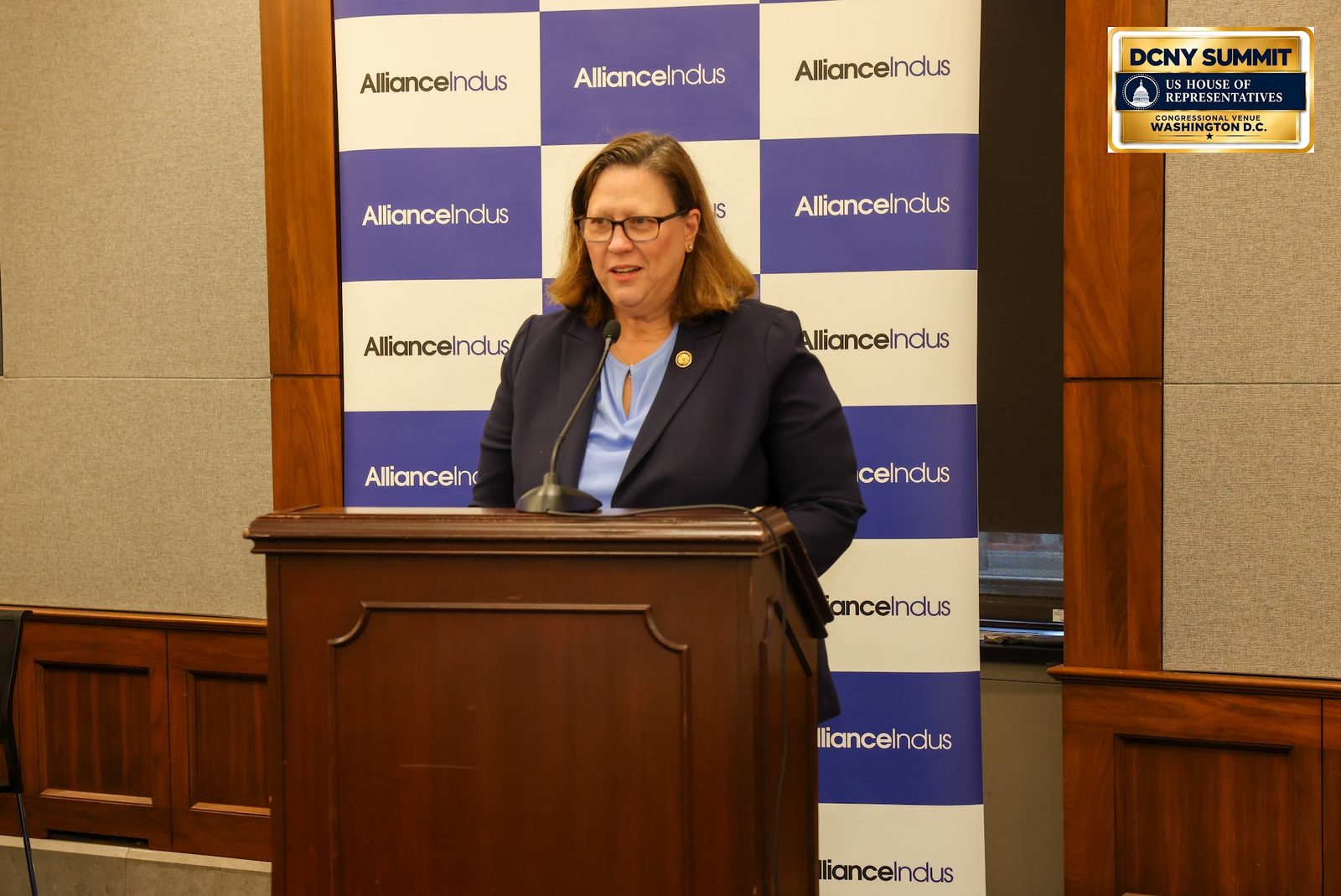
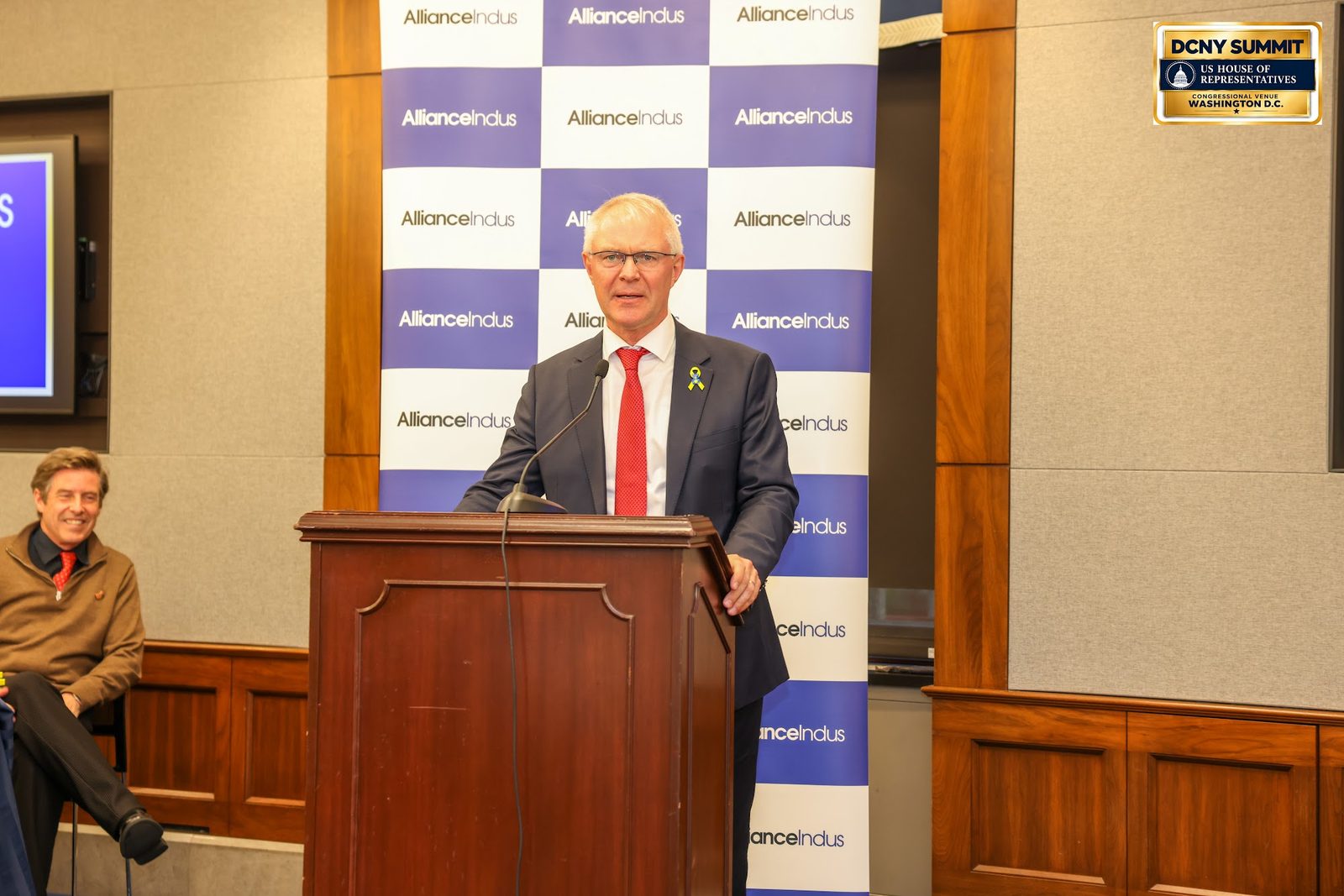
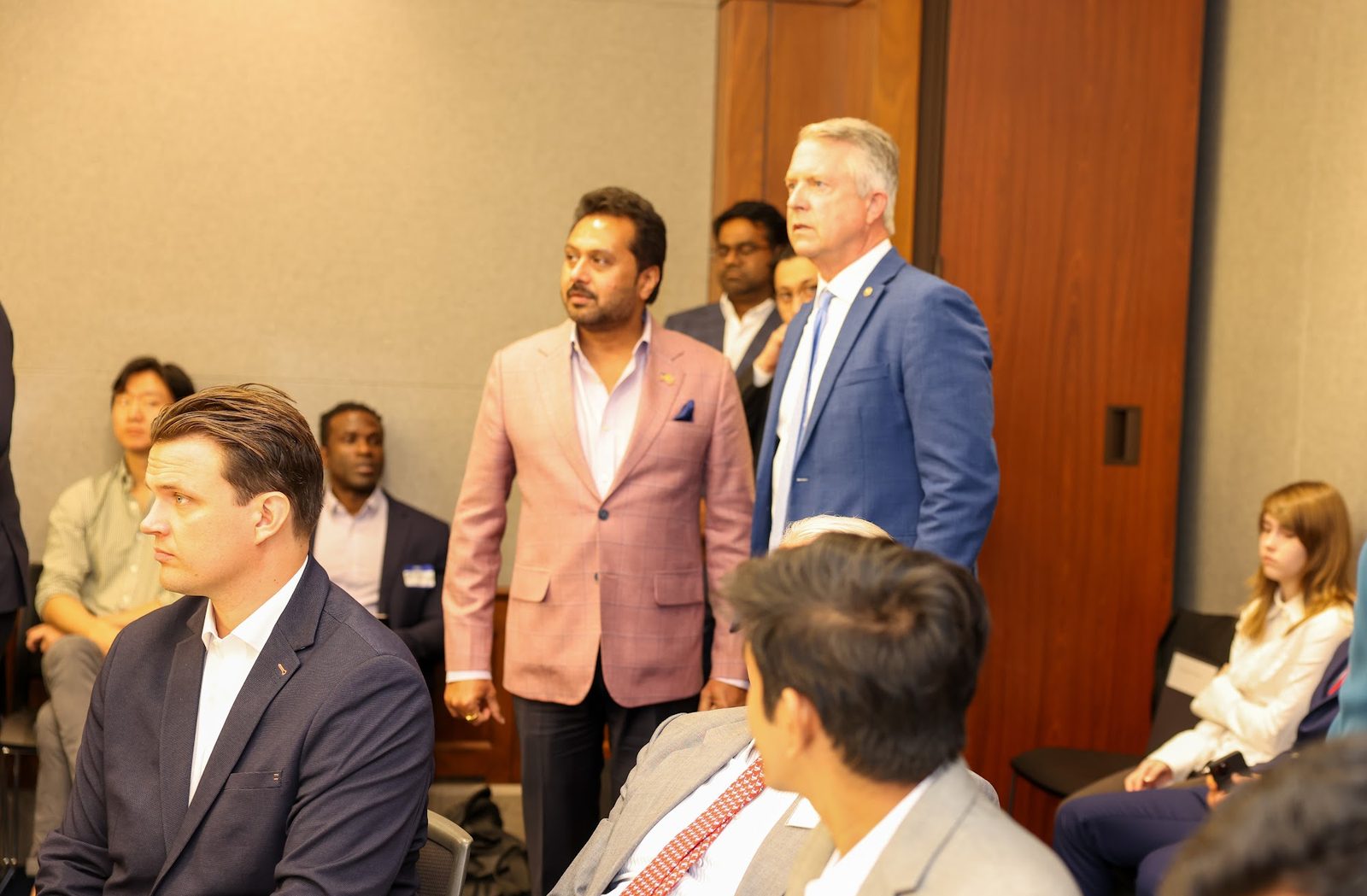
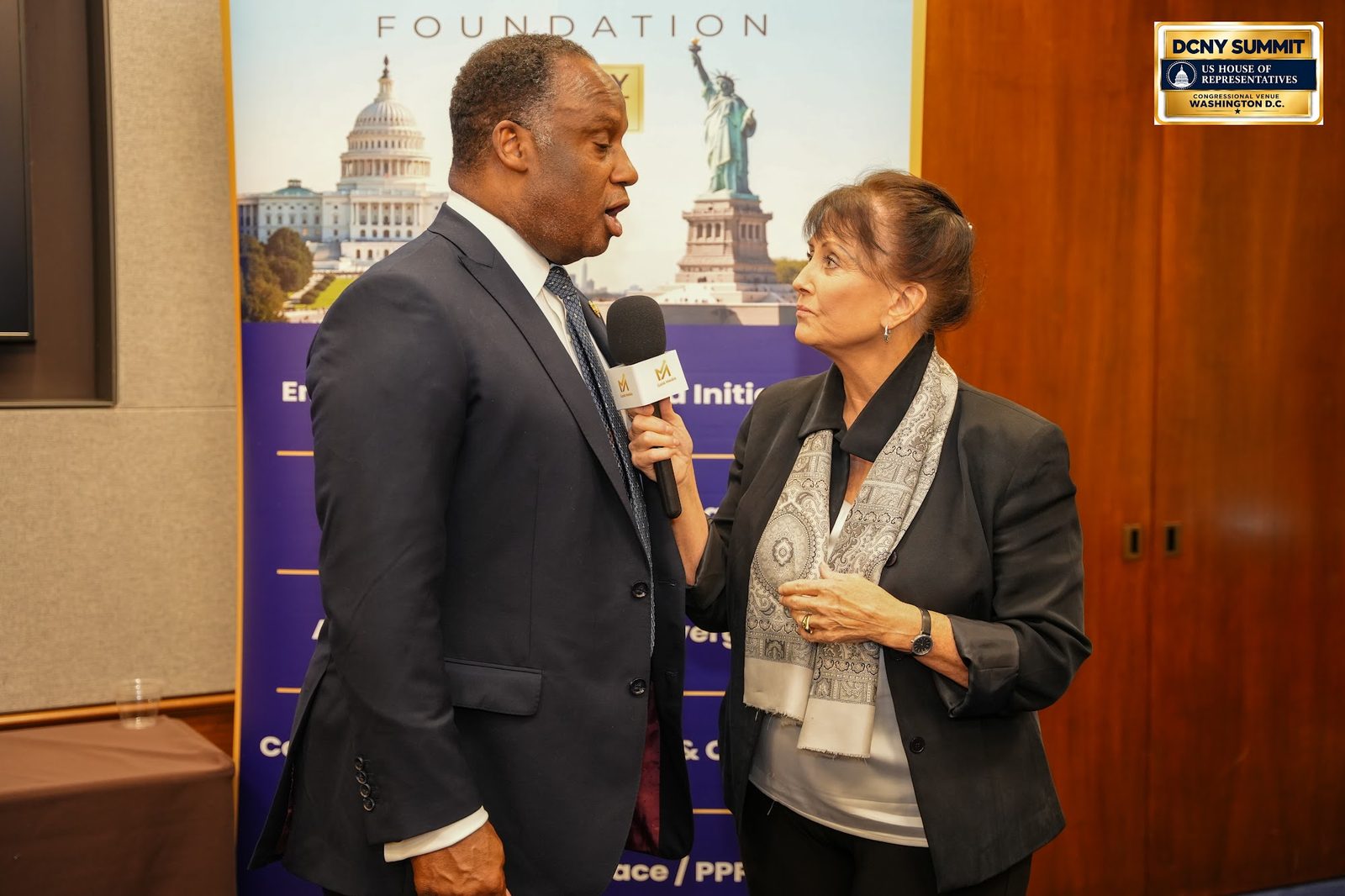
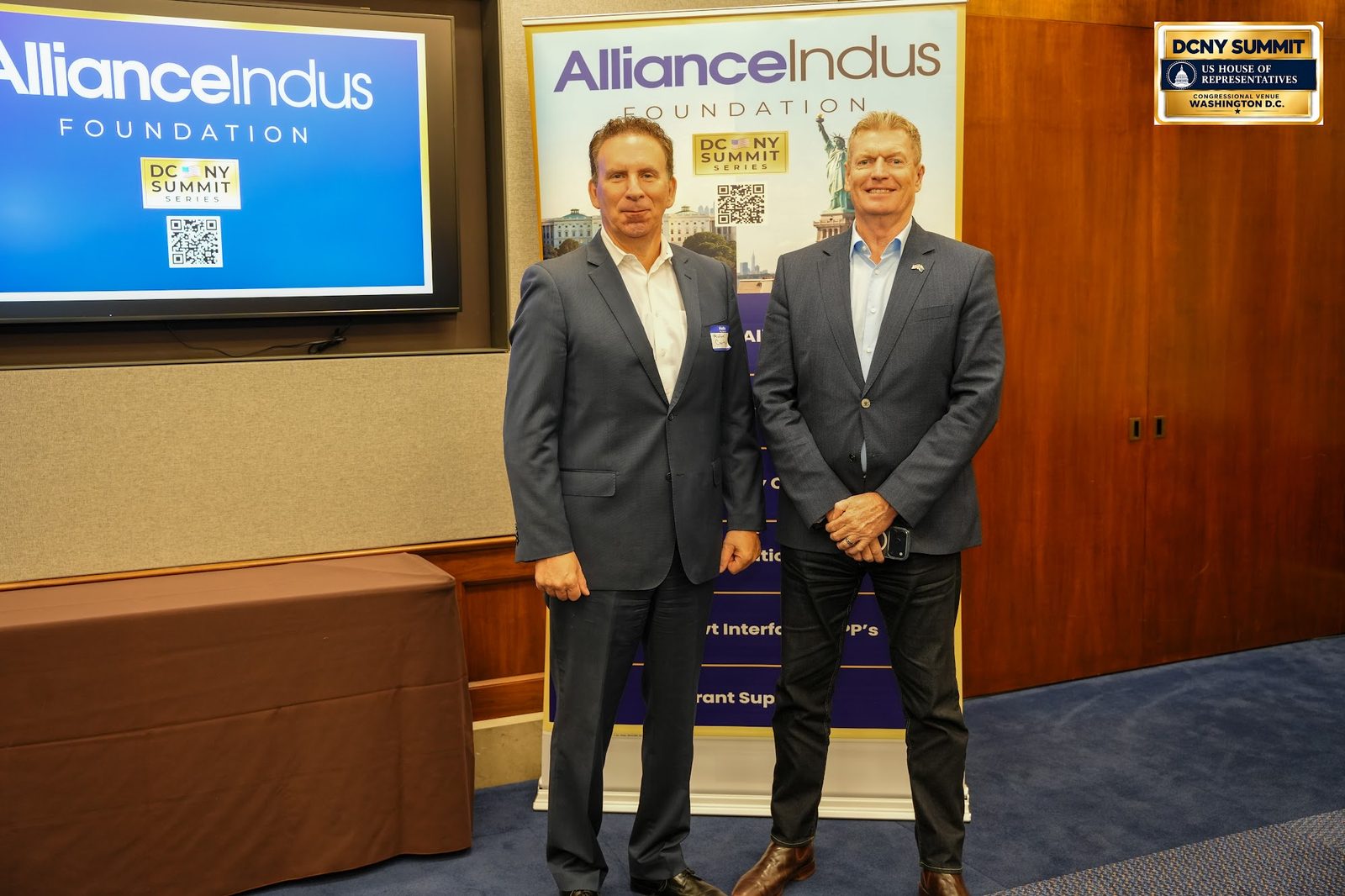
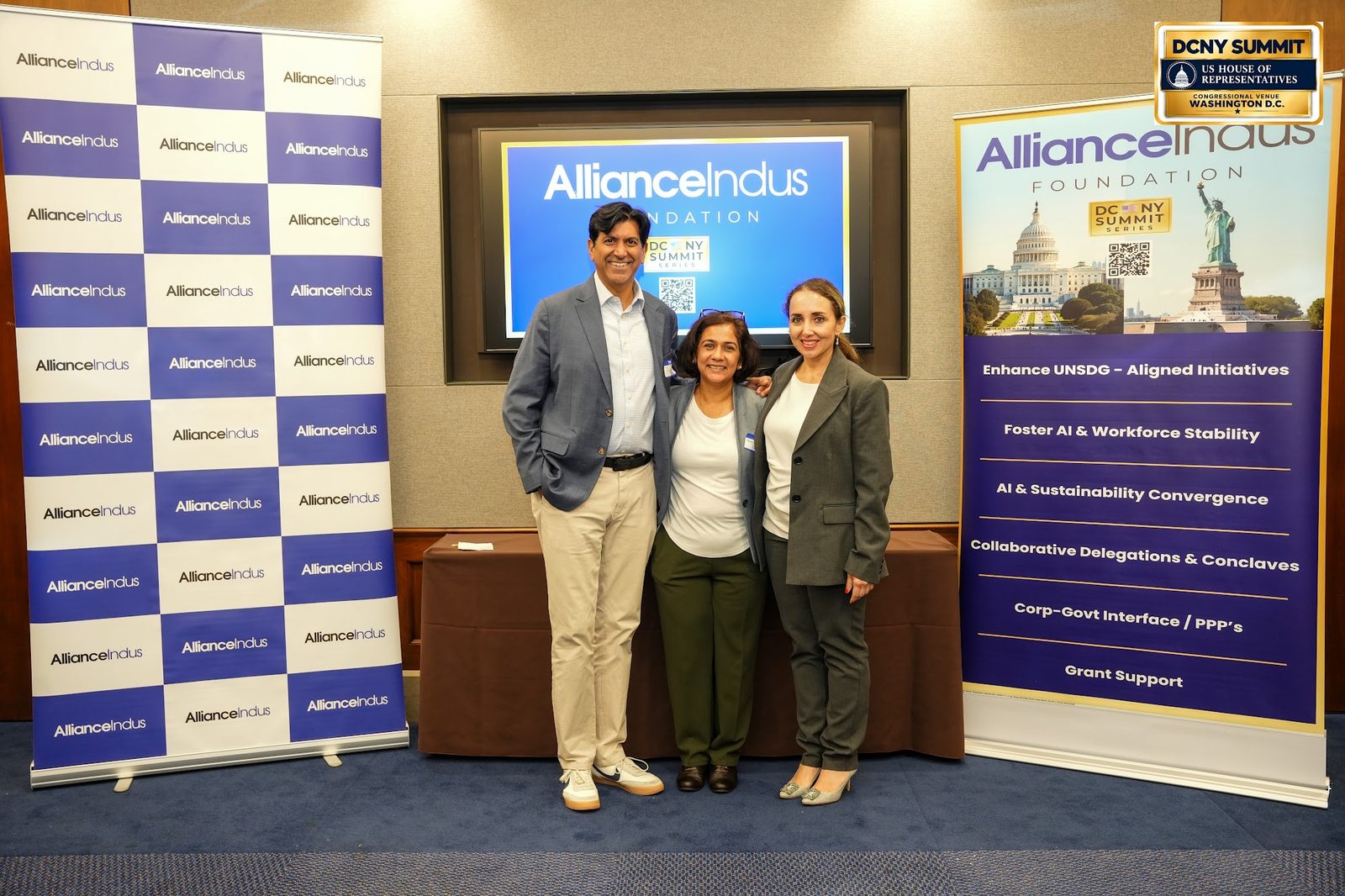
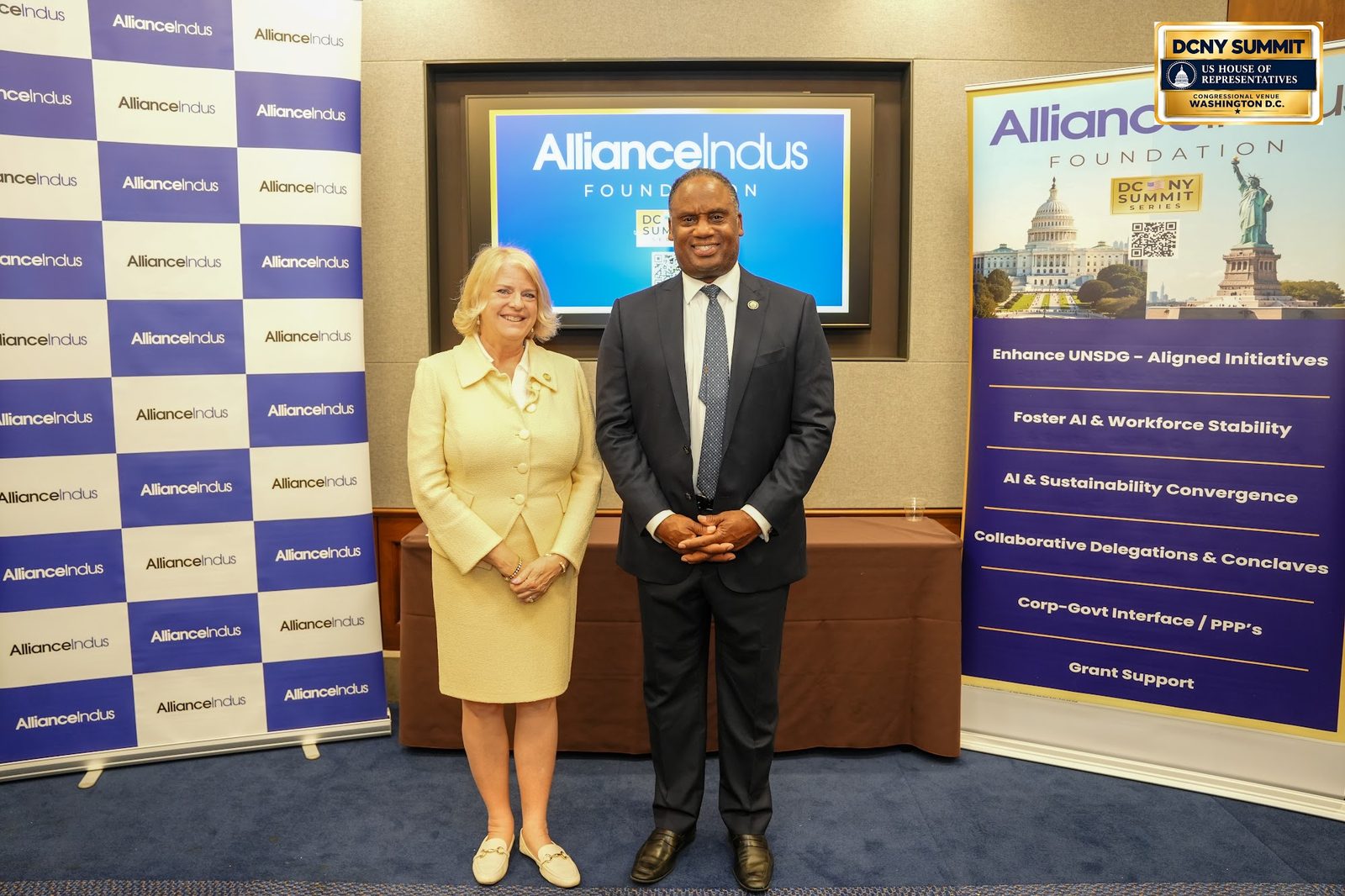
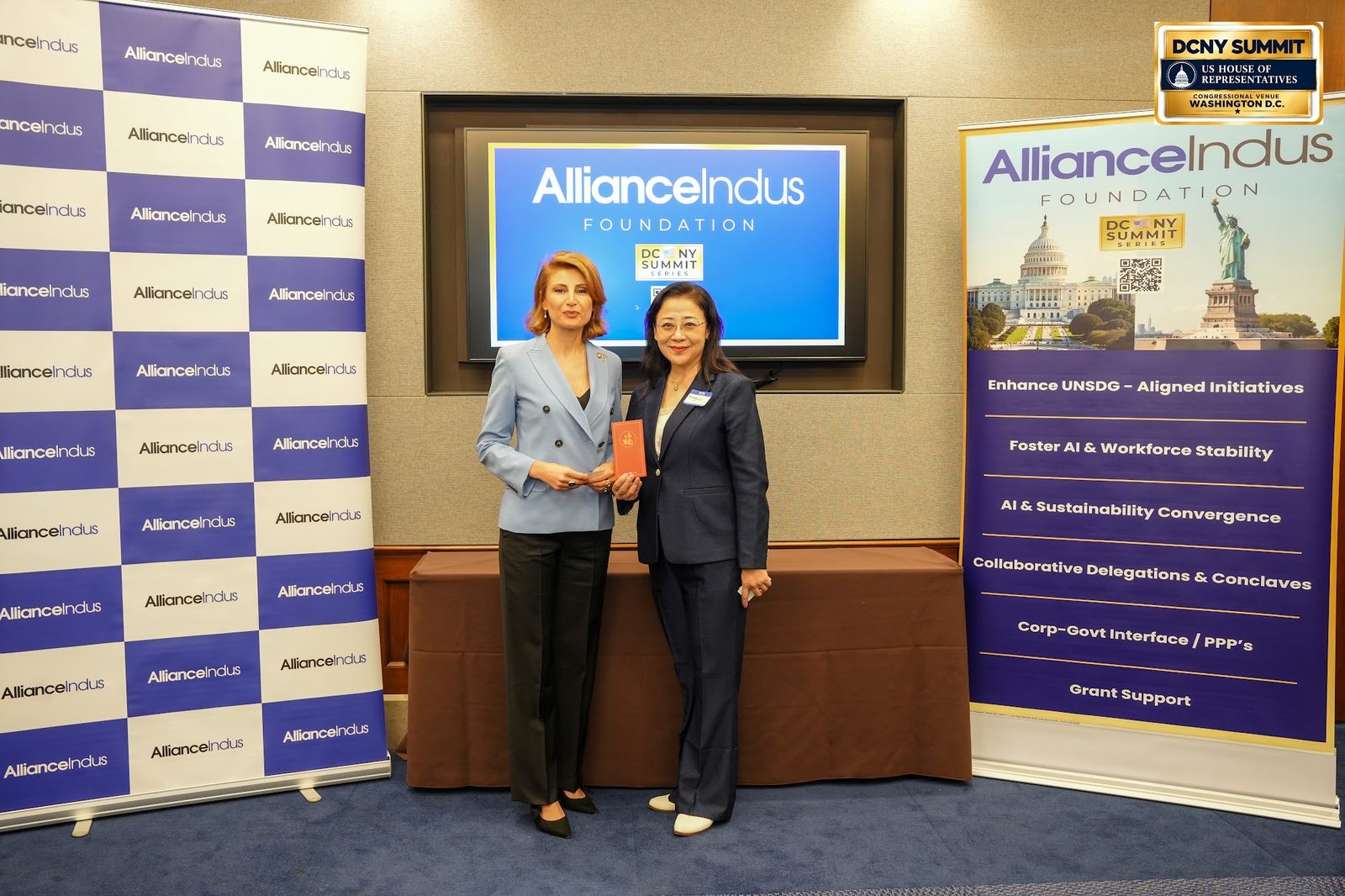
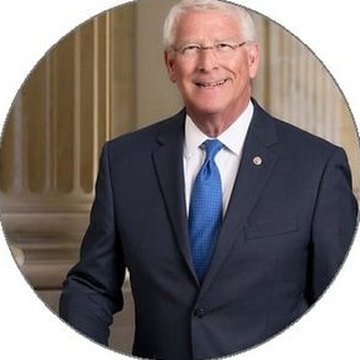
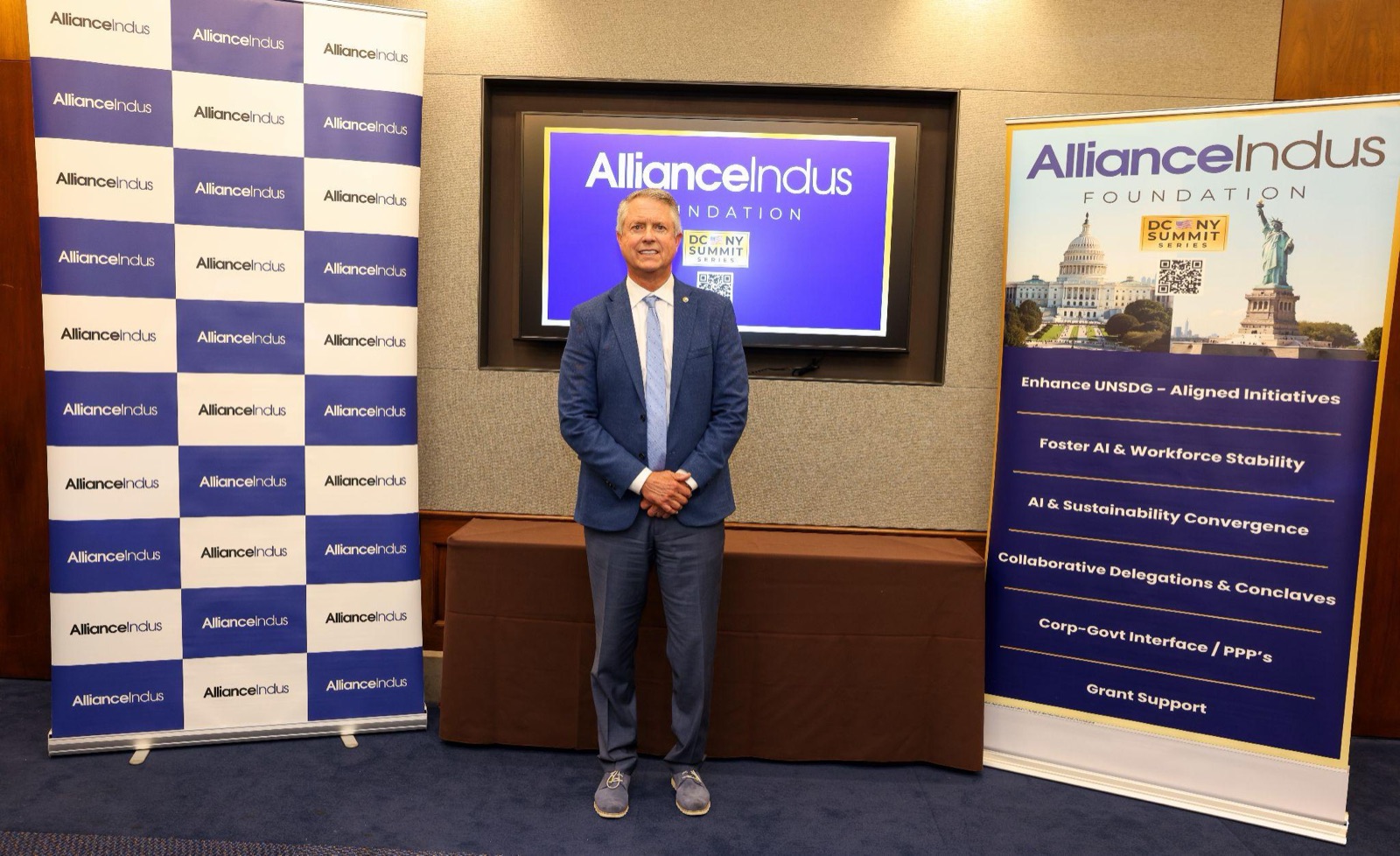
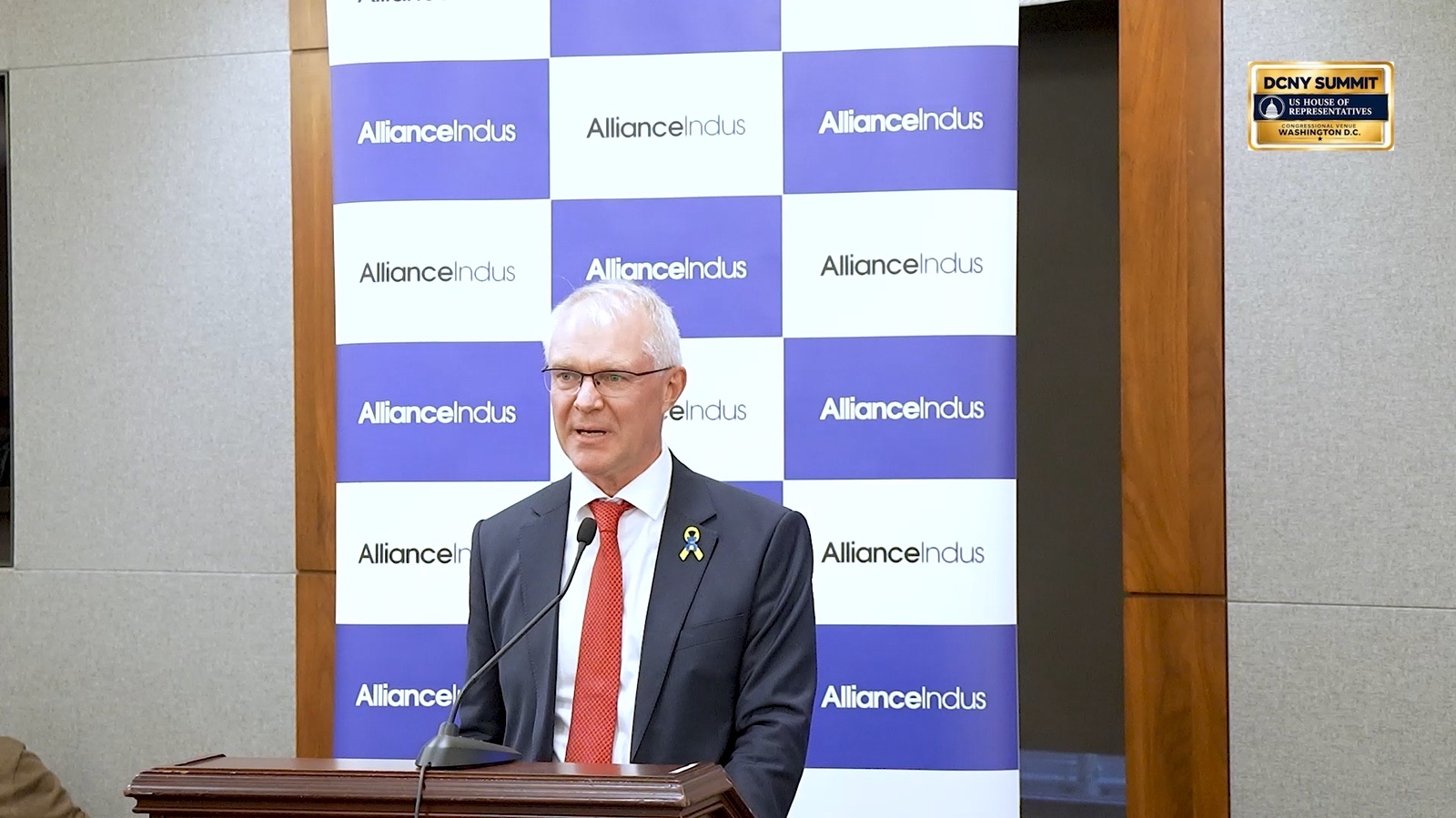
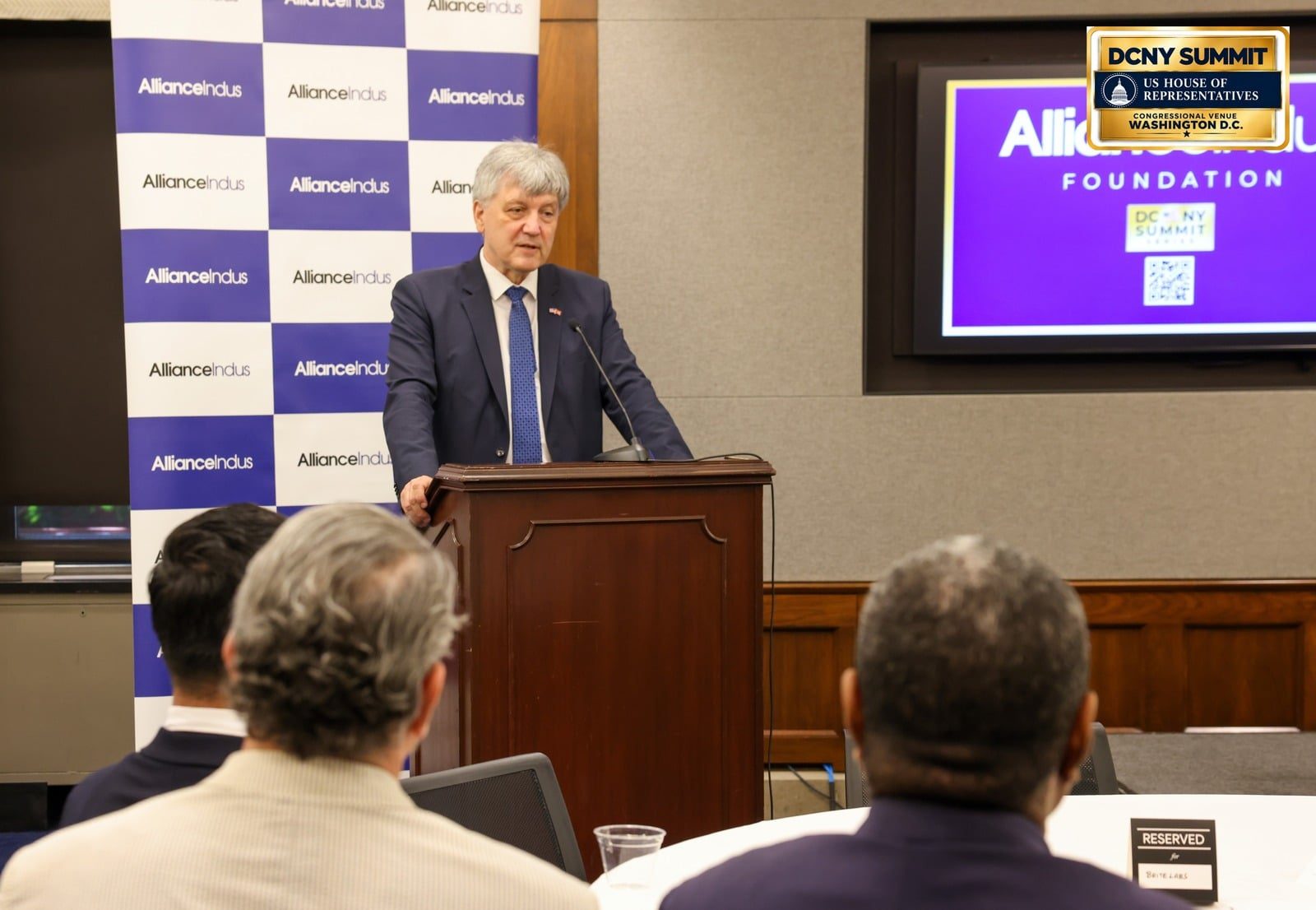
0:00…to interrupt this group. It sounds like they’d be more interesting than I am as well. But I’m Roger Marshall. I grew up as a fifth-generation farm kid, a first-generation college student, went out and practiced medicine in rural Kansas for 25 years, delivered 5,000 babies, and woke up one day and I was in Congress. So it is great to be here, and maybe I’ll just share a few thoughts about AI.
0:28It reminds me of where America was maybe in the 1940s and 1950s when it came to nuclear physics, and it could be used for good or it could be used for bad. It took the proper guardrails and the proper people to make sure, though, that it’s been used for good. And I think that it’ll be simpler for nuclear power and nuclear physics than it’s going to be for AI, however. So I think that’s the challenge before us. I think there’s more we don’t know than we do know about it.
1:01You know, every morning I wake up and I pray that I would be humble: do justice, love mercy and walk humble. And I think that’s really important — how humbling this particular topic is. So the doctor in me wants to get second opinions and consultations. I want to measure twice and cut once. And anybody that thinks they know everything about this, I would run scared from them. I think that we definitely need to put all of our minds together to do what’s best for this great nation.
1:33You know, I think that there’s so much good that could come from AI. I think about healthcare — especially near and dear to me — the cures we’re going to get for Alzheimer’s or cancer. You know, even just looking at specific genetics of people: which drug would be best for this person with hypertension or diabetes. So I think it’s endless. In agriculture, I think the opportunities are endless: what type of natural fertilizers, synthetic fertilizers, plant-based fertilizers can we use as opposed to the typical chemicals as well. So I think the limits are unimaginable.
2:15I think we know at least two things about AI. Number one, it’s going to change our jobs, our workforce, right? And I don’t know exactly what that’s going to end up looking like, but I think it’s important that we keep [unclear] the human in the loop. So as I’m talking to my community colleges this morning and technical colleges, I think it’s important that they start thinking ahead of us here right now. I don’t think that DC is going to figure out all this by ourselves. I think that we need each community — [each community] is going to solve the job issue by themselves.
2:41I think the second big issue that we need to be taking care of up in DC, though, is affordable energy. And that’s why I’ve been working now for almost a decade on [modular] reactors. [unclear] I do think that [modular] reactors are one of the solutions for clean energy, reliable energy as well, and expect for some of those to be launched [in] the next two or three years across the state of Kansas as well.
3:05In the meantime, when I wake up every morning and after I pray to do justice and be humble, I also think about: is my family safe, is your family safe? So I think what we can’t [do] is let China get ahead of us — [no] different than we [unclear] Russia or China to get ahead of us in nuclear weapon development, we can’t let them get ahead of us when it comes to AI development.
3:28And then you’ve got to circle back: you’re constantly trying to weigh the good and the bad, the pros and the cons, and then what type of guardrails do we do to make sure that AI doesn’t become autonomous, so to speak, as well. So I think there’s plenty of work to be done. I appreciate you all even taking the chance to come up here and put your heads together, and look forward as we try to start working together on this policy. Thank you so much.













 0:21
0:21